
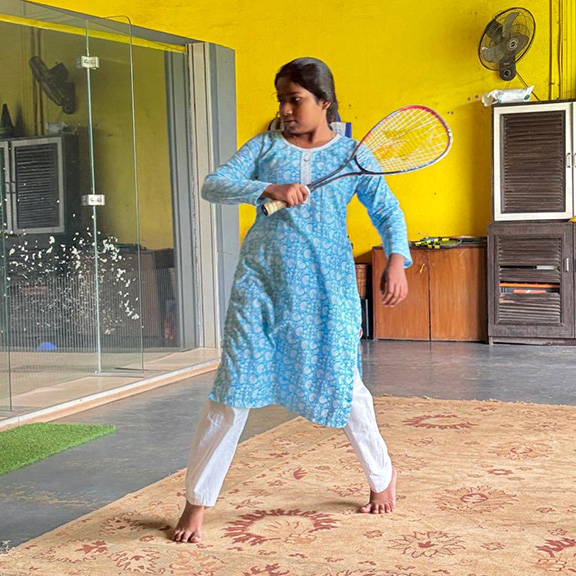
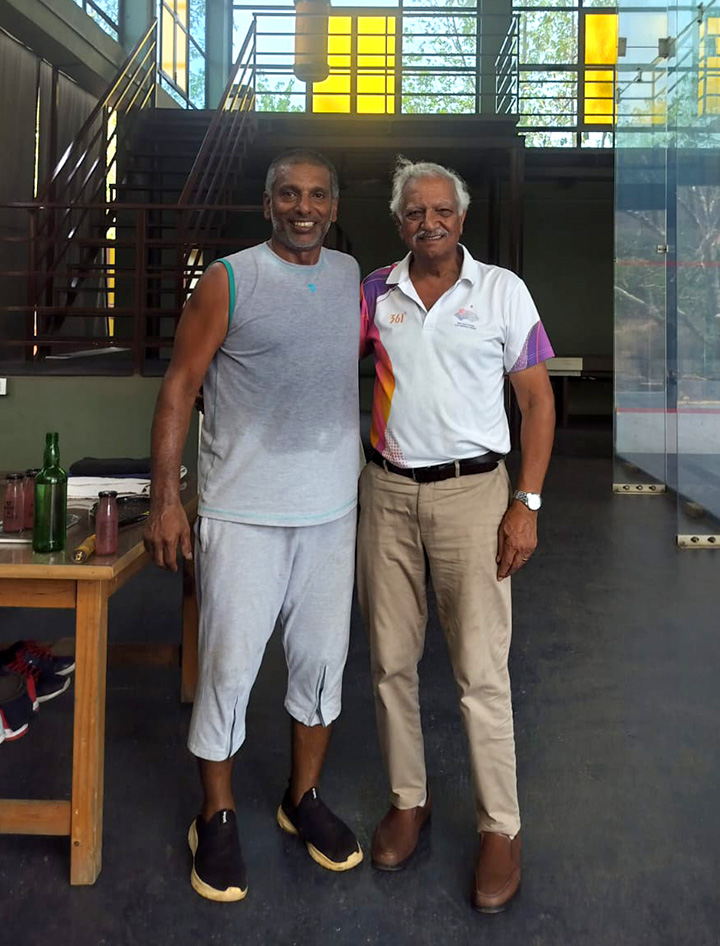
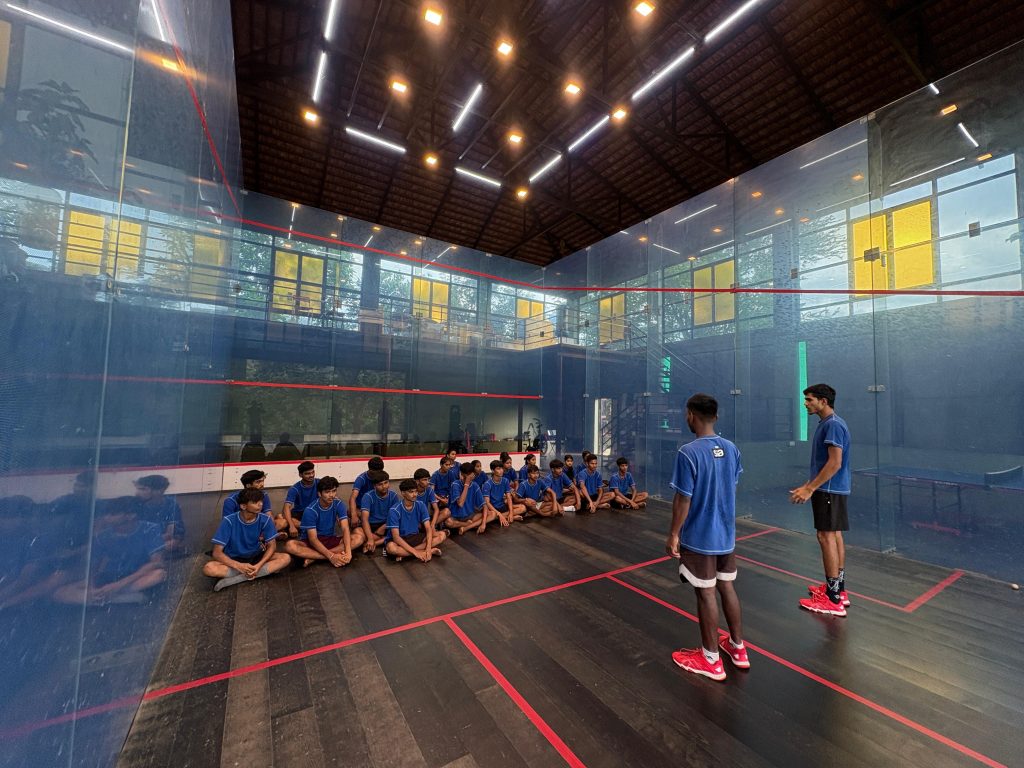
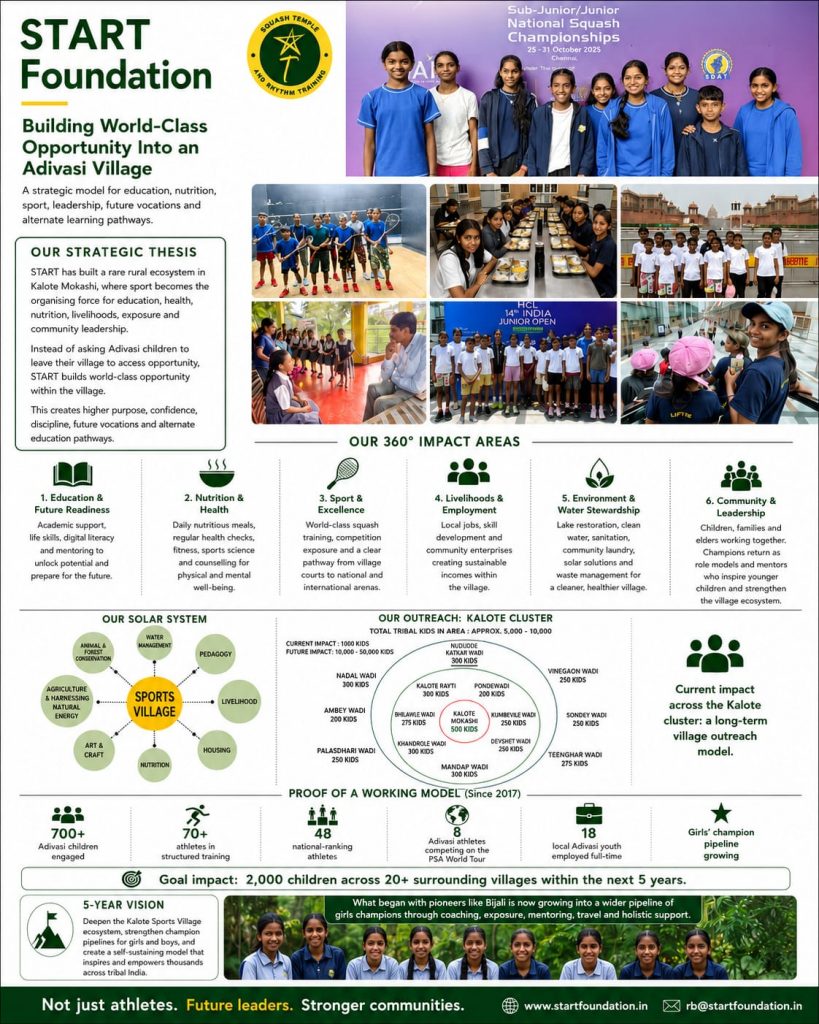
We received this World Squash Day update from one of India’s most successful squash players, Ritwik Bhattacharya. He is the founder of a novel and successful camp for young squash players known as START which stands for Squash Temple and Rhythm Training. The camp is situated about 90 minutes from Mumbai and is currently training more than 100 players.
Dear Alan,
Great to be back in touch after so long, and thank you for offering to help tell our story around World Squash Day.
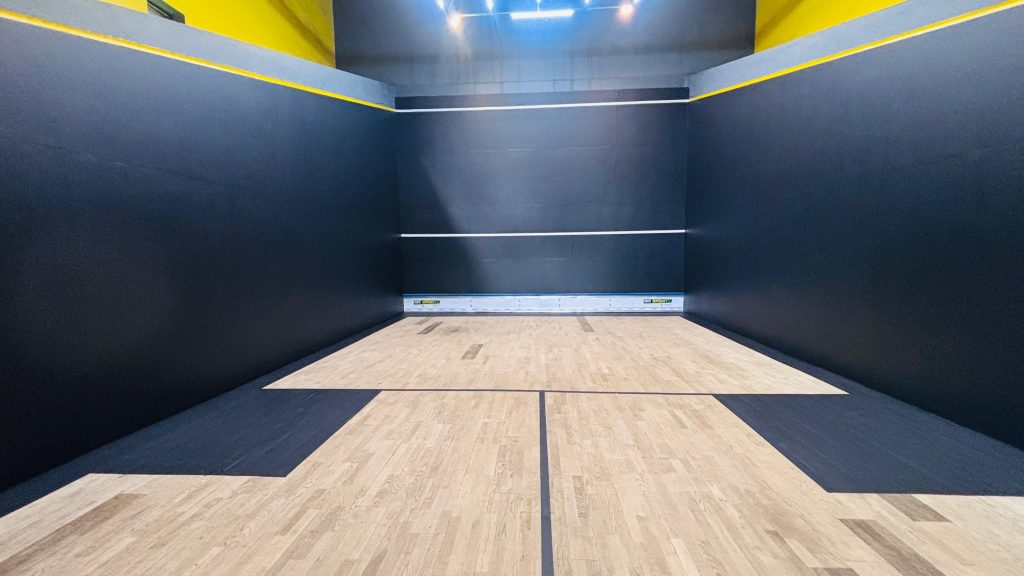
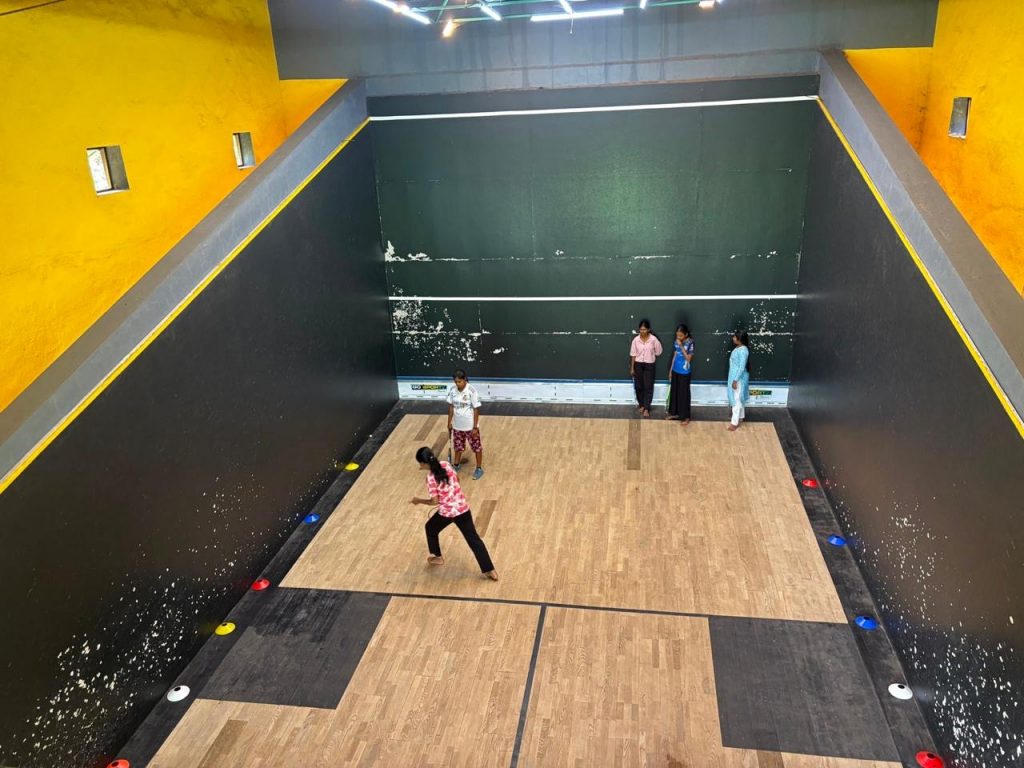
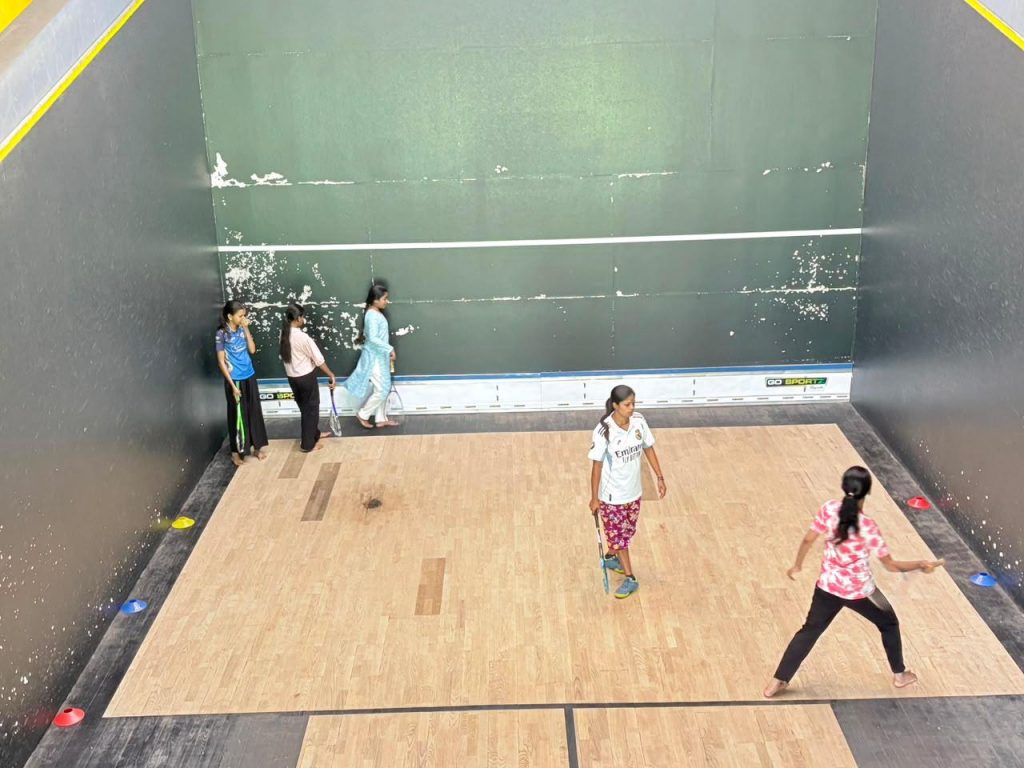
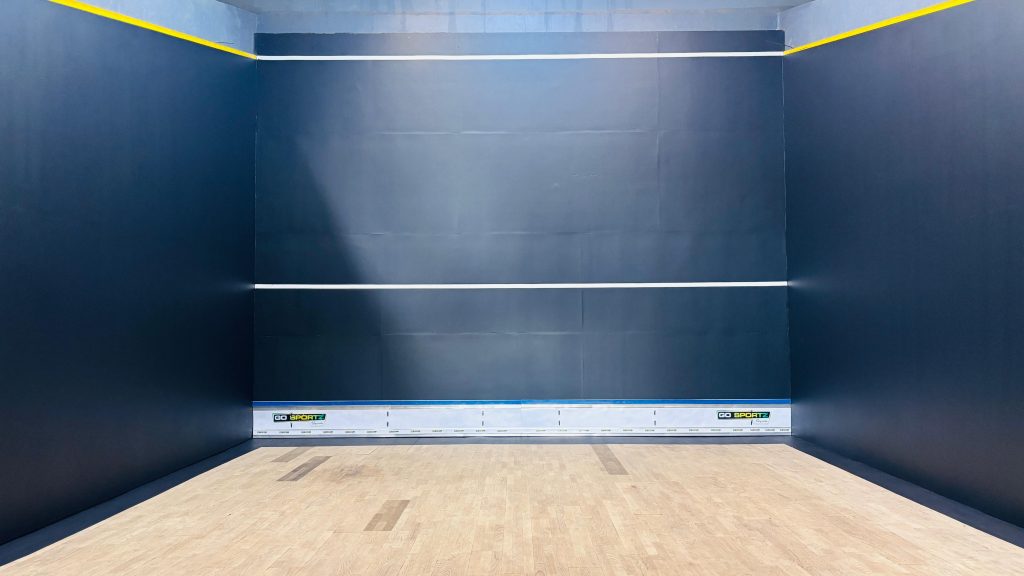
I was repainting our old black squash court a few days ago and it made me stop and look around.
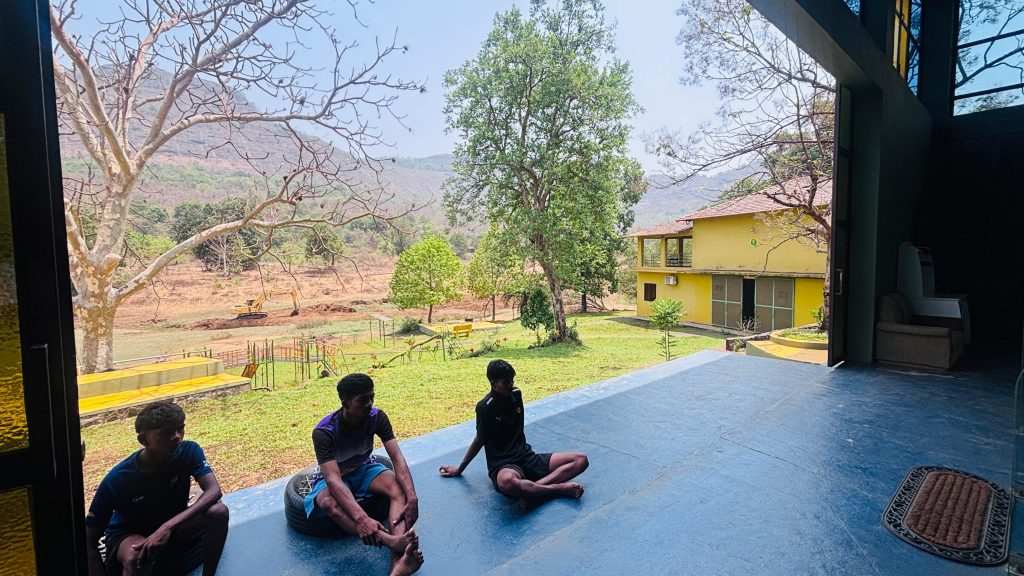
That court has been there almost from the beginning. When we started START at Kalote Mokashi in 2017, my thinking was actually quite selfish from a squash point of view. After my years as a professional player, I wanted to build the kind of place I wished I had grown up training in — somewhere players could live, train, recover and learn in one environment, away from the distractions of the city and surrounded by nature.
The black court was part of that experimentation. At the time we believed it was the first black squash court anywhere. We weren’t trying to make a statement. We were just trying things.
What I hadn’t anticipated was what would happen outside the court.
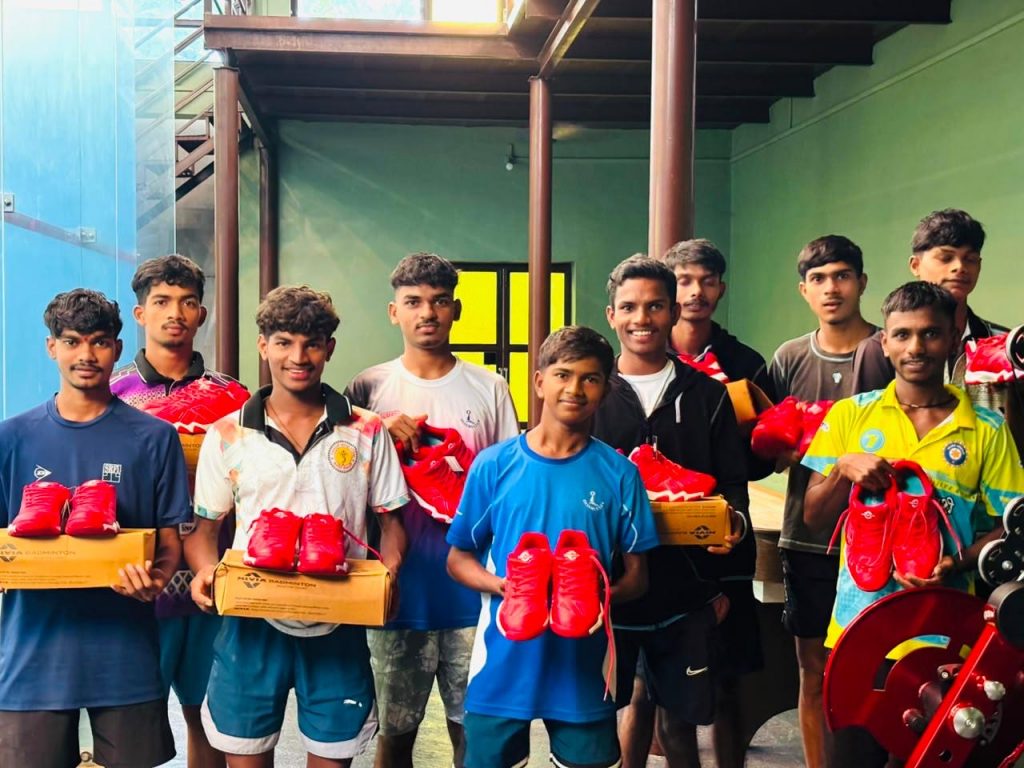
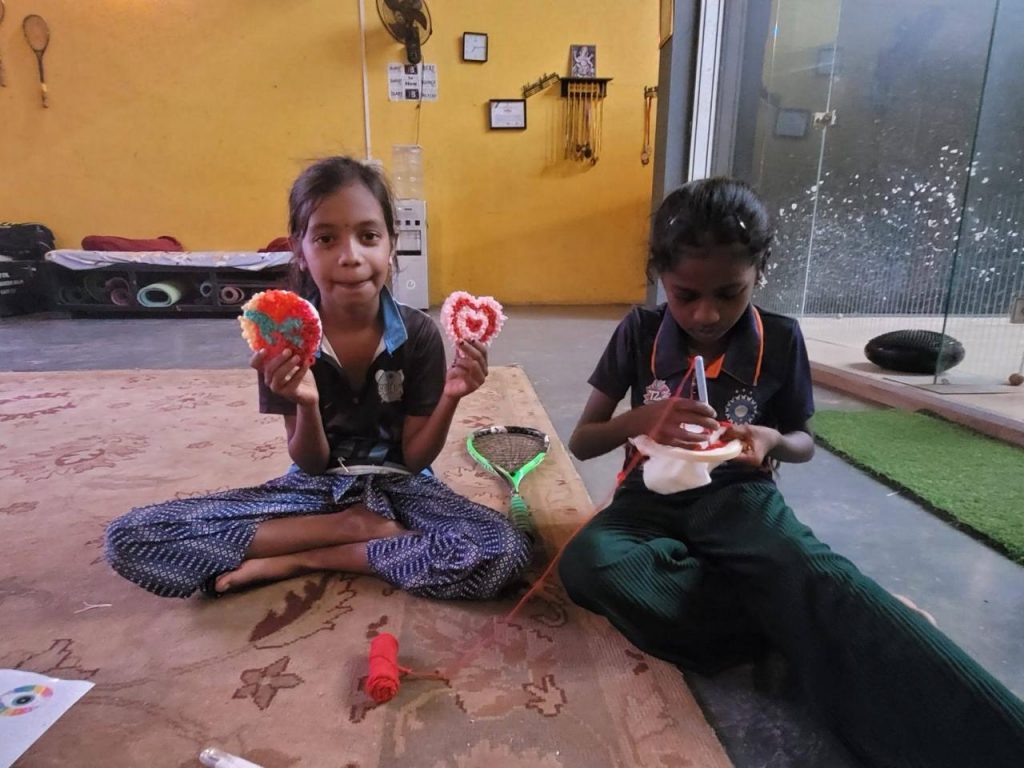
Kalote Mokashi has a large Adivasi community around us. In the early days, many of the children had never seen squash before. Slowly they started coming in, picking up rackets and playing. Then they started training. Some began competing. Some became nationally ranked, and a few have since stepped onto the PSA pathway.
At the same time another thing began happening.
The players who came to START from Mumbai and elsewhere in India were training alongside the children from the village. Later, elite juniors and professional players started coming here as well. Two worlds which would probably never have met began sharing the same courts.
And I think that changed START as much as it changed the children.
We started out wanting to develop better squash players. Over the years the village taught us that developing an athlete and developing a person are very difficult things to separate.
So START gradually became about more than forehands, backhands and fitness. Nutrition mattered. School mattered. Health mattered. Employment mattered. The environment around the children mattered. And, perhaps most importantly, belonging mattered.
This was never something we planned on a whiteboard. It evolved because of the people around us.
There is another idea that has stayed with me.
In Indian sport we often identify a talented child from a rural area and then immediately think about how to take that child somewhere else — to Mumbai, Pune or another big centre where the “opportunity” exists.
Over time we began asking a different question.
Why can’t some of that opportunity exist where the child already lives?
That thought is behind something I mentioned to you earlier — the Tribal Challenger Series.
Our children have travelled all over India to play tournaments and experience the wider squash world. For World Squash Day this year, I would love to reverse that journey.
Come to Kalote.
Play the children here.
Let the squash world experience their home court, their village and their environment rather than always asking them to experience ours.
We have freshly painted the original black court for World Squash Day. The funny thing is that the court itself looks almost exactly as it did years ago, but everything around it feels different.
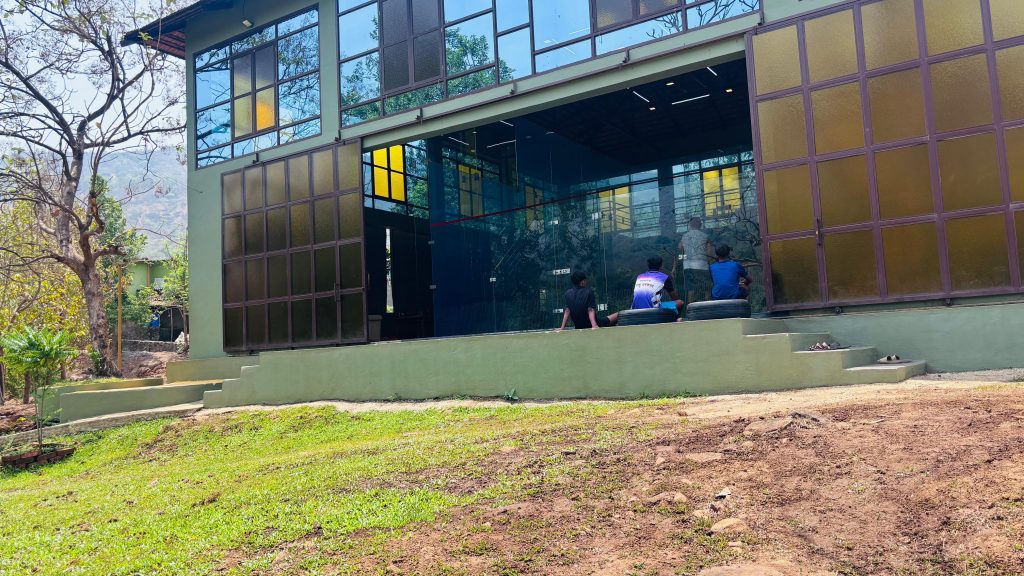
There are children who once watched squash through the glass who now coach younger children. There are players from very different backgrounds training together. There are families in the village who now understand the strange little game being played behind those four walls because their own children play it.
We still have a very long way to go.
I don’t pretend we have discovered some grand model for sport or rural development. We have made plenty of mistakes and are still learning every day.
But one thing I do believe more strongly now than I did when we started:
World-class opportunity does not necessarily have to mean removing a child from the world they come from.
Sometimes we can try to build more of that opportunity around them.
That is probably what World Squash Day means to me this year.
Not simply another day to celebrate squash, but another reason for the game to introduce people who otherwise might never meet.
So my invitation is very simple.
Come to Kalote. Meet the children. Play our players. See the black court. Share a meal. Spend some time in the village.
And let squash do the introductions.
Warm regards,
Ritwik Bhattacharya
START – Squash Temple and Rhythm Training
Kalote Mokashi Valley
LINKS
Find out more about the START Foundation
Read the World Squash Association article about START from 2023.